
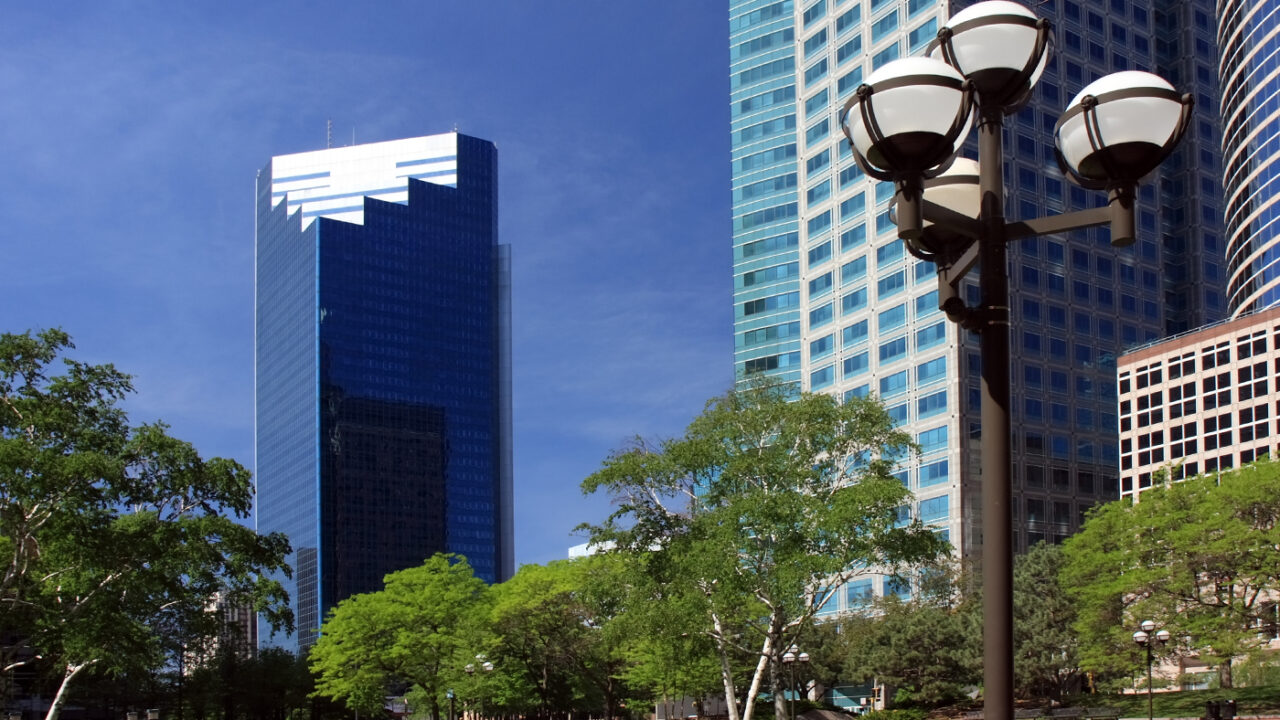
North Minneapolis has several neighborhoods with a strong local character, and Jordan Area is one of them. Jordan Area combines residential streets, neighborhood parks, everyday shops, food places, and quick access to larger green spaces nearby. Visitors can spend time outdoors, walk through the area, see community spaces, eat locally, or use Jordan as a starting point for exploring the wider north side of Minneapolis.
What to See in Jordan Area
Jordan Area is mainly residential, so its attractions are not arranged like a traditional tourist district. The interest comes from ordinary neighborhood life, local parks, streets, small businesses, and nearby recreation areas. This gives a visit a slower rhythm than downtown Minneapolis and shows city life quite clearly outside central entertainment zones.
Jordan Park is the main green space directly connected with the neighborhood. It covers a compact area but offers several useful recreation features. There are play areas, sports fields, a wading pool, places for sitting, and open ground where families and small groups can spend time. The park also has mature trees and newer landscaping, making it useful for a short break during a walk around Jordan.
A walk around residential blocks is another way to see the Jordan Area. Streets include detached homes, apartment buildings, schools, local services, churches, and small commercial corners. The neighborhood feels local rather than visitor–focused, which suits people interested in ordinary city life.
Jordan Park and Nearby Streets
Jordan Park can be a good first stop because it sits inside the neighborhood rather than on its edge. From there, visitors can continue through surrounding residential streets and see how public space connects with homes, schools, and everyday businesses. The walk is easy to adjust in length, depending on weather and available time.
Around the area, some streets lead toward larger commercial corridors. These routes are useful when someone wants to combine a park visit with food, groceries, or another practical stop. It is not a formal sightseeing route, but it gives the neighborhood structure.
Things to Do in Jordan Area
The main activities in Jordan Area are simple and local. Walking, using neighborhood parks, trying nearby food places, cycling, and visiting surrounding green spaces are the most natural options. The area is also close enough to other parts of north Minneapolis that a half–day visit can include several different kinds of activity.
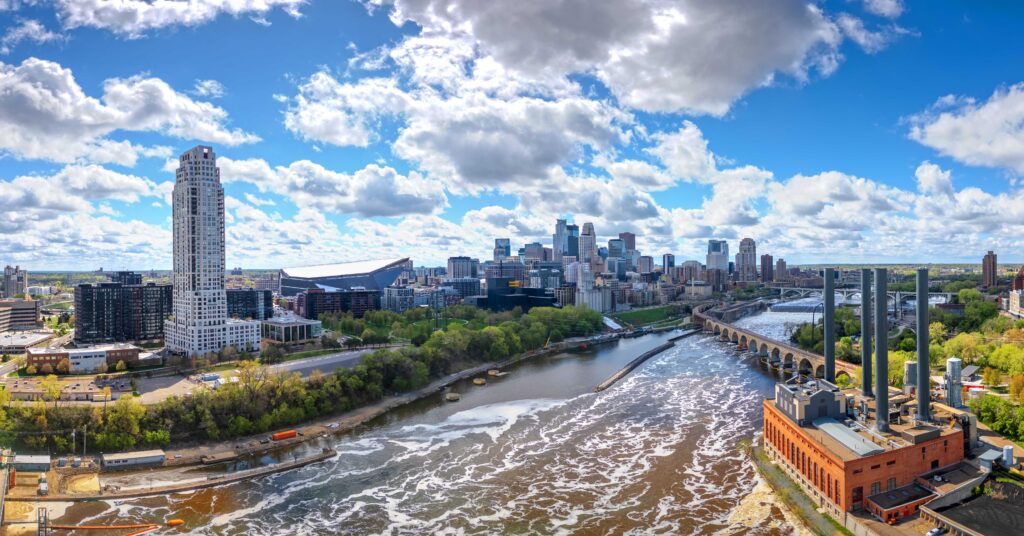
A plan can include the following:
- Start with a walk through Jordan Park and the nearby residential blocks
- Use local streets to see small shops, services, and neighborhood architecture
- Stop for food or coffee in the wider North Minneapolis area
- Continue by bike or car toward Theodore Wirth Regional Park
- Spend time on a walking trail, at a garden, or near Wirth Lake
- Return through local commercial streets rather than taking the same route back
This order keeps the day flexible. A visitor can stop early or continue into the larger park area. Weather matters, especially for outdoor activities, so it is useful to keep indoor food stops or short neighborhood walks as alternatives.
Outdoor Activities Near Jordan Area
Theodore Wirth Regional Park is one of the largest recreation areas close to Jordan. It is not located fully inside the neighborhood, but it is near enough to be an important part of a Jordan Area visit. The park includes trails, gardens, woodland, golf areas, cycling routes, a lake, and seasonal recreation.
Walking is probably the easiest activity for a first visit. There are paths through different landscapes, from open park areas to wooded sections. Cycling is another option, including off–road routes in designated parts of the park. In winter, the recreation pattern changes and can include cross–country skiing, snowshoeing, sledding, and other snow activities when conditions allow.
Wirth Lake adds another kind of scenery. Visitors can spend time near the water, use nearby paths, or combine the lake with a longer park walk. Because the regional park is large, choosing one or two areas is usually enough for a short visit.
Gardens and Nature Stops
Eloise Butler Wildflower Garden and Bird Sanctuary is one of the nature–focused places within the wider park. It contains woodland, meadow, and wetland environments with many native plants. Birdwatching and quiet walking fit well here, especially during the warmer months when the garden is open.
Quaking Bog is another unusual stop. A boardwalk provides access into a wetland environment where visitors may see birds, frogs, insects, and distinctive plant life. It offers a different experience from the residential streets of Jordan, even though it is only a short trip away.
Food, Shops, and Everyday Local Stops
Jordan Area is not built around a single restaurant street or shopping district. Food and retail are spread across nearby commercial corridors. This means visitors normally find small restaurants, takeout places, grocery stores, discount shops, personal services, and other neighborhood businesses rather than a concentrated visitor center.
For food, it makes sense to look along the larger streets that cross or border north Minneapolis neighborhoods. Choices can change over time, so a flexible approach works better than planning a day around one specific business. Local restaurants often reflect the cultural mix of north Minneapolis, with casual meals being more common than formal dining.
Coffee can also be part of a walk, although options may require a short detour from the residential core. Grocery stores and small retail places are useful if the visit includes a picnic or a longer park stop. Buying simple food before going toward Theodore Wirth Regional Park can make the day easier.
Getting Around Jordan Area
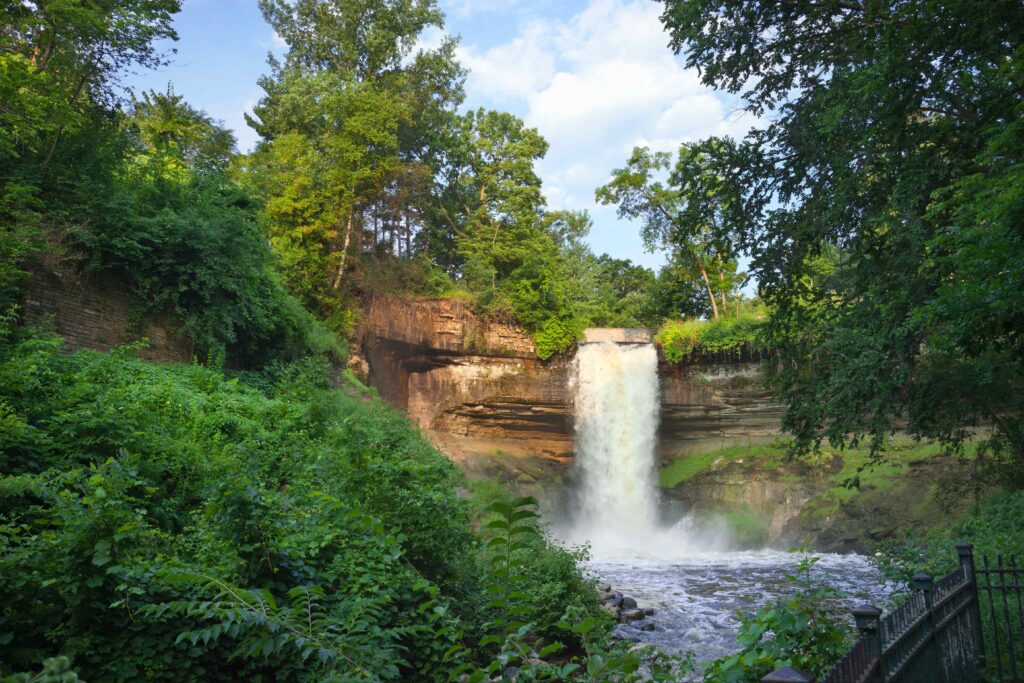 Jordan Area can be explored by walking, bicycle, bus, or car. Walking works well for the neighborhood itself because distances between residential streets, Jordan Park, and local commercial areas are moderate. For Theodore Wirth Regional Park, a bike, bus connection, or car can be more practical depending on the chosen entrance.
Bus routes connect north Minneapolis with downtown and other parts of the city. Visitors should check current route information before leaving because schedules and stops can change. Biking is also possible on local streets and on designated paths in the wider park system.
Driving gives more flexibility when combining Jordan with several nearby places. Street parking and park parking conditions can vary, so posted signs should be followed. A mixed plan often works well–walk inside the neighborhood, then use another form of transport for the larger regional park.
When to Visit and How to Plan the Day
Jordan Area changes with the seasons. Late spring, summer, and early autumn are useful for walking, playground visits, cycling, gardens, and lake areas. Winter can be attractive for snow–based recreation in the wider park system, though cold temperatures make neighborhood walking less comfortable.
Morning is suitable for a quiet walk through residential streets and Jordan Park. Around midday, visitors can stop for food before moving toward Theodore Wirth Regional Park. The afternoon can then be used for trails, gardens, cycling, or time near the lake. This creates a simple route without trying to fit too many places into one schedule.
A Jordan Area visit is mostly about local Minneapolis rather than famous landmarks. Its value comes from the combination of neighborhood streets, community green space, everyday businesses, and easy access to a much larger natural recreation area. For visitors who want a slower view of north Minneapolis, Jordan gives enough to fill several hours while staying connected with other nearby parts of the city.